 Braunschweig Hub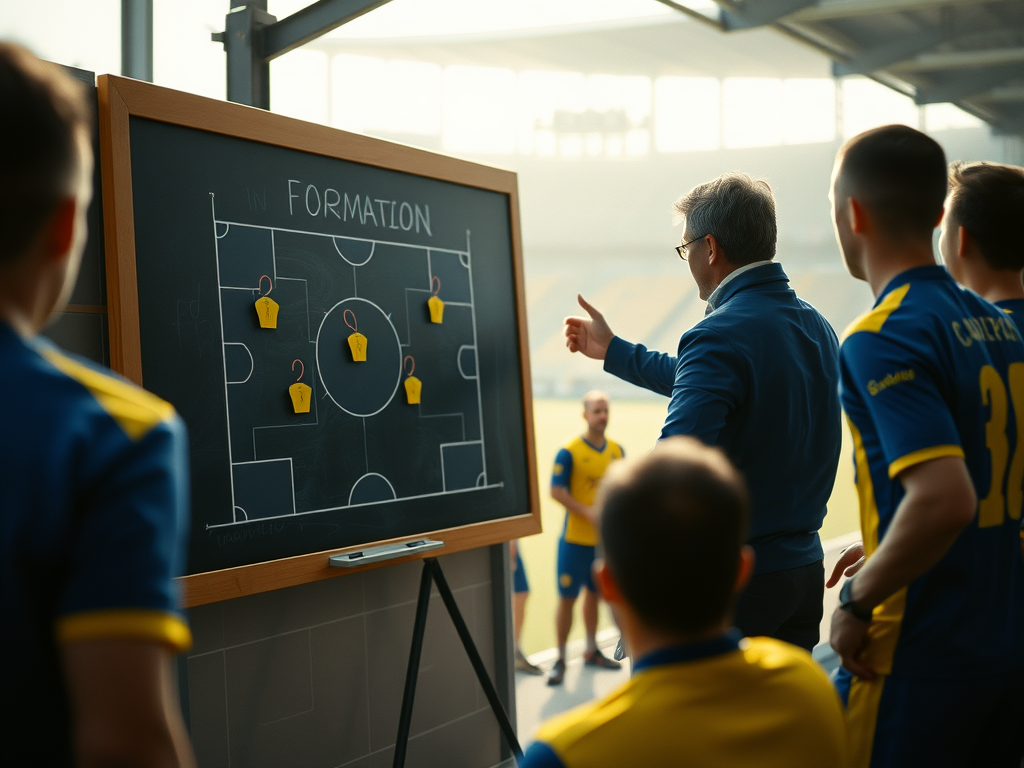
Revisiting Braunschweig's Formation: A Path to Tactical Flexibility
As the season progresses, Eintracht Braunschweig, affectionately known as Die Löwen, has showcased moments of brilliance intertwined with spells of inconsistency. This duality has raised questions about the tactical framework in which the team operates. To navigate the rigors of the league and maximize their potential, a nuanced analysis of their recent form is essential, alongside proposed tweaks to their tactical setup.
Current Tactical Overview
Braunschweig has predominantly employed a 4-2-3-1 formation, a system that has provided a solid foundation for both defensive stability and attacking prowess. However, the recent performances suggest a need for further tactical flexibility. Opponents have begun to exploit the spaces between the lines, particularly targeting the area between the double pivot and the backline. This has resulted in counter-attacks that have caught Braunschweig off-guard on several occasions.
Defensive Cohesion
One of the key areas that require attention is the coordination between the center-backs and the defensive midfielders. While the duo of the center-backs has been reliable, they need to adopt a more proactive approach in tracking runners from midfield. Implementing a staggered line of defense can help close down spaces more effectively, allowing midfielders to recover and support defensively. Additionally, encouraging full-backs to tuck in during defensive phases can create a more compact structure that is harder for opponents to penetrate.
Midfield Dynamics
In the midfield, the two pivot players should be given the license to roam slightly more, particularly the one tasked with more advanced positioning. By allowing this player to push forward into attacking areas, Braunschweig can create overloads in wide areas, stretching opposing defenses. This would also enable the wingers to cut inside, creating opportunities for the full-backs to overlap and provide width. The balance between defensive duties and attacking freedom is crucial; hence, the pivot players must communicate effectively to maintain this equilibrium.
Offensive Adjustments
While Braunschweig has demonstrated flashes of creativity in attack, the final third often lacks incisiveness. To address this, a slight tweak in their attacking formation could be beneficial. Transitioning to a more fluid 4-3-3 during offensive phases can allow the wingers to play narrower, facilitating combination play in and around the box. This would not only improve the quality of service to the strikers but also create spaces for late runs from midfielders.
Counter-Pressing Strategy
Additionally, enhancing the counter-pressing strategy could yield significant dividends. After losing possession, immediate pressing to regain the ball can disrupt the opponent's build-up play and create high-quality chances. Braunschweig's attacking players should be encouraged to engage defenders quickly, forcing turnovers in advanced positions, which can lead to swift goal-scoring opportunities.
Conclusion
In conclusion, although Braunschweig's current tactical setup has its merits, slight modifications can significantly enhance their performance. By fostering better defensive cohesion, encouraging midfield dynamism, and adopting a more aggressive counter-pressing approach, Die Löwen can look to build upon their recent form. As the season progresses, these tactical tweaks could be the key to unlocking greater consistency and resilience in their campaign.