 Braunschweig Hub
The 1970s: A Decade of Resilience for Eintracht Braunschweig
The 1970s was a defining decade for Eintracht Braunschweig, a time when the club navigated the turbulent waters of German football. Having experienced the highs of Bundesliga glory in the late 1960s, Die Löwen faced the stark reality of maintaining their status among Germany’s elite. Despite the challenges, this era showcased the club's resilience and commitment to its identity as a formidable force in German football.
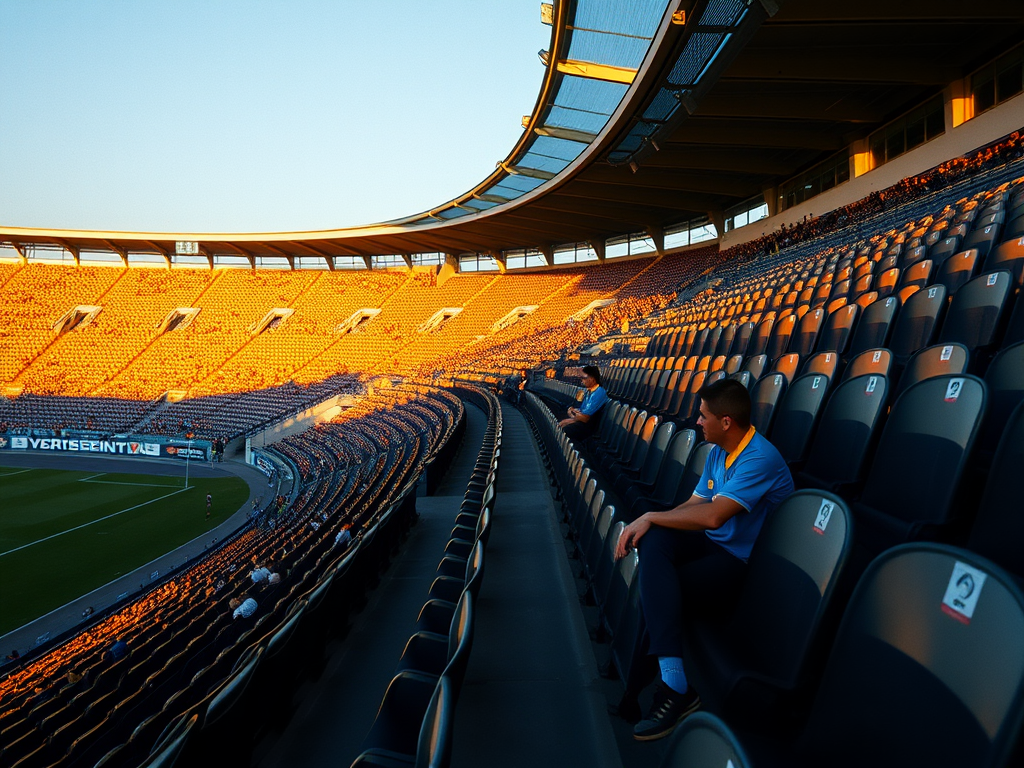
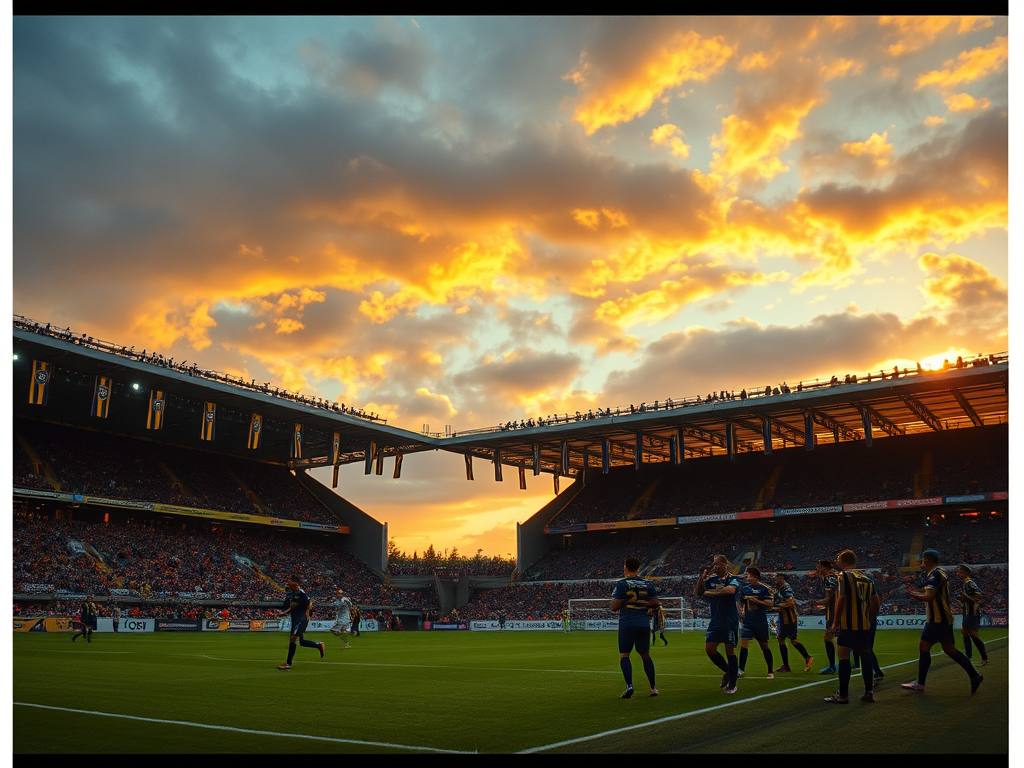
The decade began with a strong Bundesliga presence, as Braunschweig sought to build on its past successes. The team, known for its passionate fan base and vibrant atmosphere at the Stadion, continued to attract attention not only for its performance on the pitch but also for the loyalty of its supporters. However, the early 70s brought increased competition, with clubs like Bayern Munich and Borussia Mönchengladbach emerging as dominant forces.
A pivotal moment came in 1973 when Braunschweig found itself embroiled in a relegation battle. The club's management made crucial decisions to reinforce the squad, bringing in talented players who would become key figures in the team’s fight for survival. The spirit of Die Löwen was palpable, as players and fans alike rallied together during this tough period. The determination displayed by the team during these matches became a testament to the club's fighting spirit.
Despite narrowly avoiding relegation in 1974, the club faced another challenge in 1975 when they found themselves struggling in the lower half of the table once again. The 1975-76 season was particularly tough, but it was during this time that the team developed a gritty mentality that would serve them well in future campaigns. Key players emerged, showcasing not just talent but also leadership, which became increasingly important as the pressure mounted. The resilience of the squad earned them respect across the league, even as they continued to face adversity.
The late 70s saw a shift in fortunes as Braunschweig began to stabilize in the Bundesliga. The arrival of new management brought fresh ideas and a renewed sense of ambition. The club focused on youth development, investing in homegrown talent that would eventually become the backbone of the team. This strategic approach laid the groundwork for future successes, ensuring that Die Löwen would not only survive but thrive.
Off the pitch, the passionate fan base remained a constant source of motivation. The supporters, known for their unwavering loyalty, filled the stadium with an electric atmosphere, making it one of the most intimidating venues for visiting teams. This connection between the players and fans created a unique culture that distinguished Braunschweig from other clubs in the league.
As the decade came to a close, Eintracht Braunschweig had not only secured its place in the Bundesliga but had also cultivated a strong identity that would echo through the years. The trials of the 1970s taught the club invaluable lessons in resilience and teamwork, shaping the ethos that would carry Die Löwen forward into the 1980s and beyond. In many ways, the decade was not just about survival; it was about laying a foundation for future generations of players and fans alike, solidifying Braunschweig's place in the annals of German football history.