 Braunschweig Hub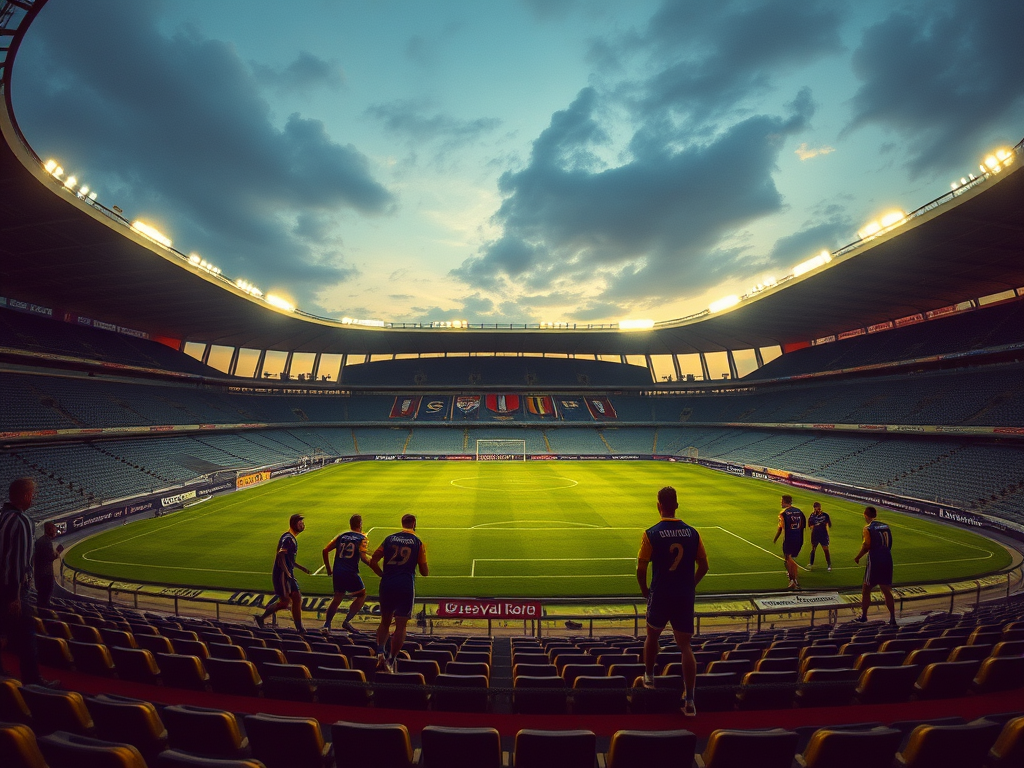
In the mid-1990s, Eintracht Braunschweig found itself in the depths of despair, battling for survival in the lower tiers of German football. After suffering relegation from the Bundesliga in 1985, the club struggled to regain its former glory. However, the tides began to turn in the late 90s, particularly with the 1997-98 season becoming a pivotal point in the club's narrative.
Under the management of Klaus-Dieter Wöhler, Die Löwen embraced a new style of play that combined tactical discipline with a spirited attacking approach. The squad featured a mix of seasoned veterans and budding talents, such as the influential midfielder Marco Engelhardt, who would become a fan favorite during this transformative period. The atmosphere in the stadium was electric, with fans rallying behind their team, inspired by the hope of climbing back into the higher echelons of German football.
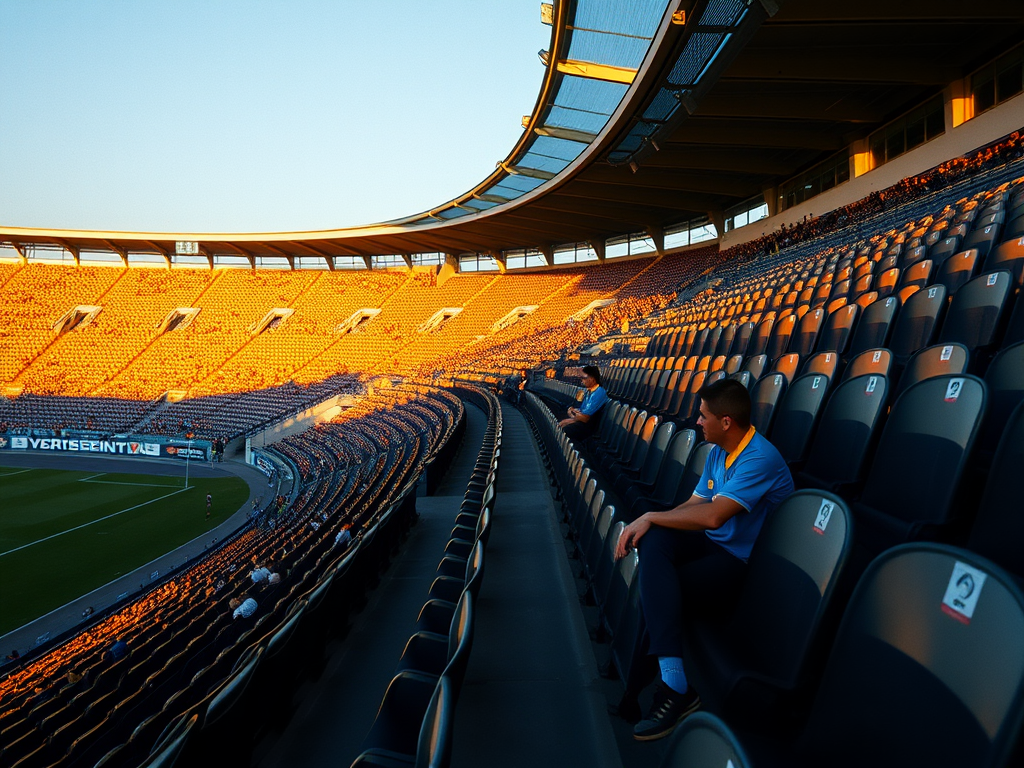
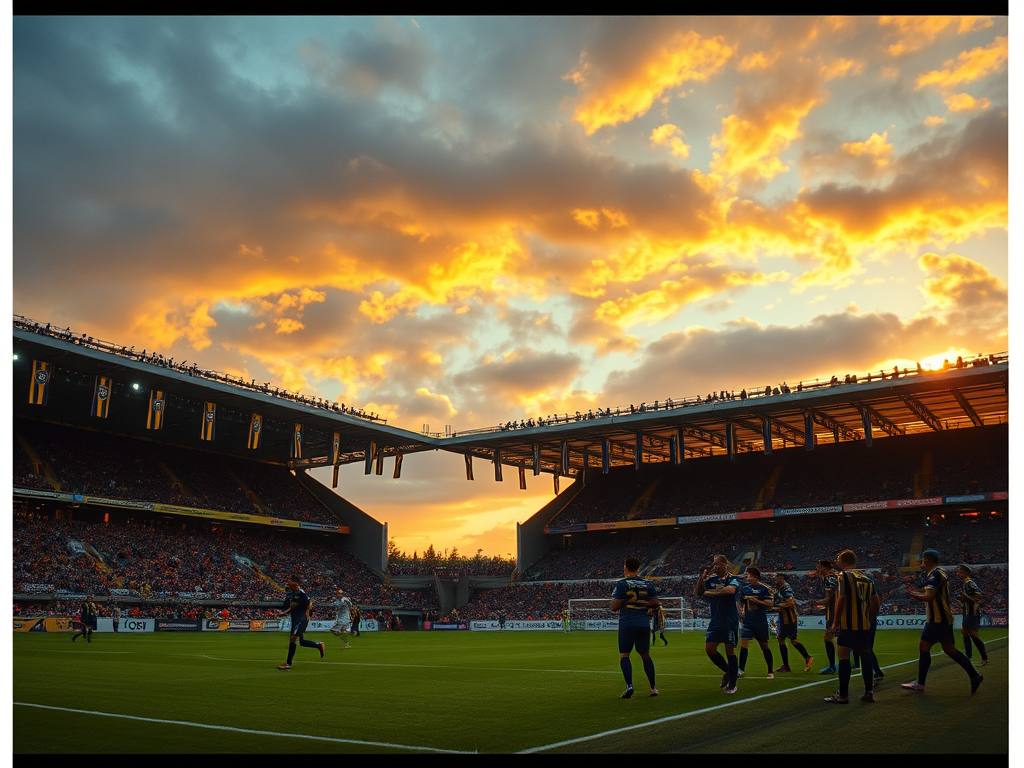
The 1997-98 season saw Braunschweig finish at the top of the Regionalliga Nord, securing a much-coveted promotion to the 2. Bundesliga. The decisive matches showcased the resilience and determination of the squad, with crucial victories that ultimately solidified their place at the summit of the league. Fans filled the Stadion an der Hamburger Straße, creating a cauldron of support that echoed the club's historic past and aspirations for the future.
Promotion was more than just a return to a higher league; it was a testament to the club's enduring spirit and the unyielding support of its fanbase. The achievement breathed new life into the local community, with supporters once again donning the blue and yellow colors of their beloved Löwen. The sense of pride and joy was palpable, as the team prepared to take on new challenges in the 2. Bundesliga, a league that would test their mettle and ambition.
This new chapter was not without its challenges, as the team faced tougher competition and the realities of life in a more demanding league. However, the foundation laid during this season proved vital in shaping the future trajectory of Eintracht Braunschweig. Players like Engelhardt and his teammates became icons of this era, embodying the grit and determination that fans had come to cherish.
Reflecting on this pivotal moment, it’s clear that the 1998 promotion was not just a sporting success; it marked the beginning of a renewed identity for Eintracht Braunschweig. It rekindled a connection between the club and its supporters, reminding everyone of the rich history that Die Löwen had to offer. As the club continues to evolve, the echoes of that season remain a powerful source of motivation, reminding players and fans alike of the heights they can reach when united by a common goal.