 Braunschweig Hub
Introduction
As Die Löwen navigate the complexities of the current season, it’s crucial to dissect their recent performances with a tactical lens. While Braunschweig's grit and determination have been evident, there's a palpable need for tactical refinements that could significantly enhance their game.
Recent Tactical Patterns
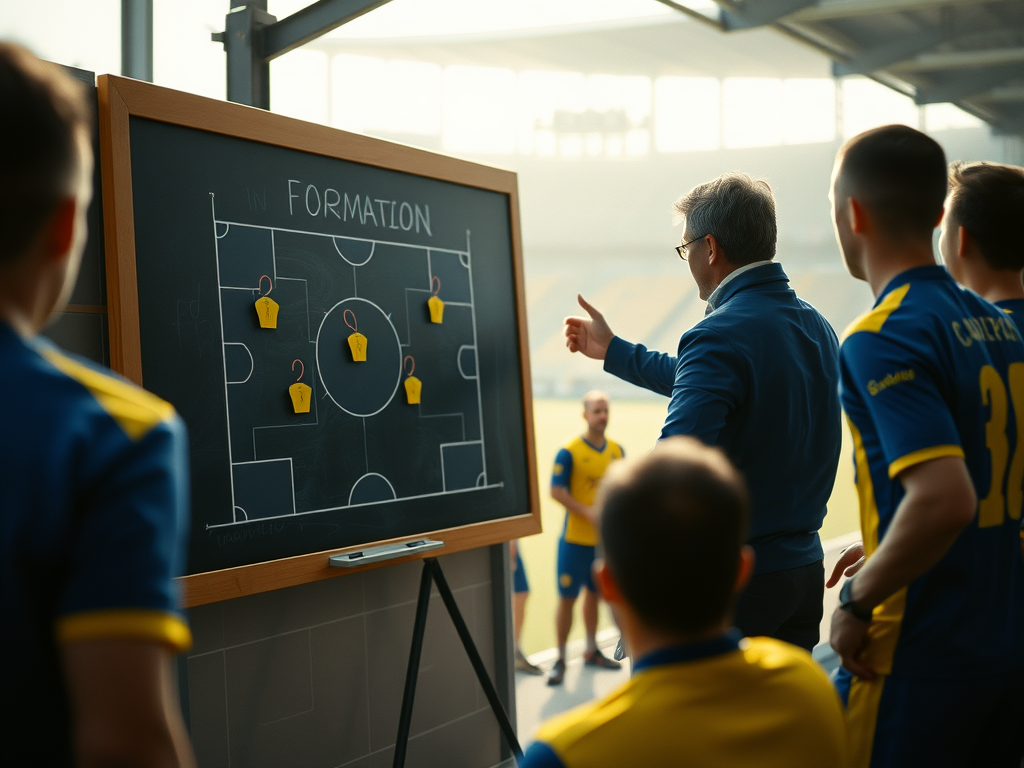
In recent matches, Braunschweig has predominantly operated in a 4-2-3-1 formation. This setup has allowed for a solid defensive base, with two holding midfielders providing cover to the backline. However, the attacking output has been somewhat stifled, often leading to a lack of creativity in the final third. The wingers, while industrious, have at times struggled to make an impact, often resorting to crossing from deep positions rather than exploiting the space in behind defenses.
Suggestions for Tactical Tweaks
To invigorate their attacking play, a shift towards a more dynamic 4-3-3 formation could be beneficial. This would not only provide width but also allow for a more fluid interchange between the front three. The inclusion of an additional central midfielder can enhance ball retention and facilitate quicker transitions from defense to attack. This tweak could particularly benefit the lone striker, who often finds himself isolated and lacking support.
Player Roles and Responsibilities
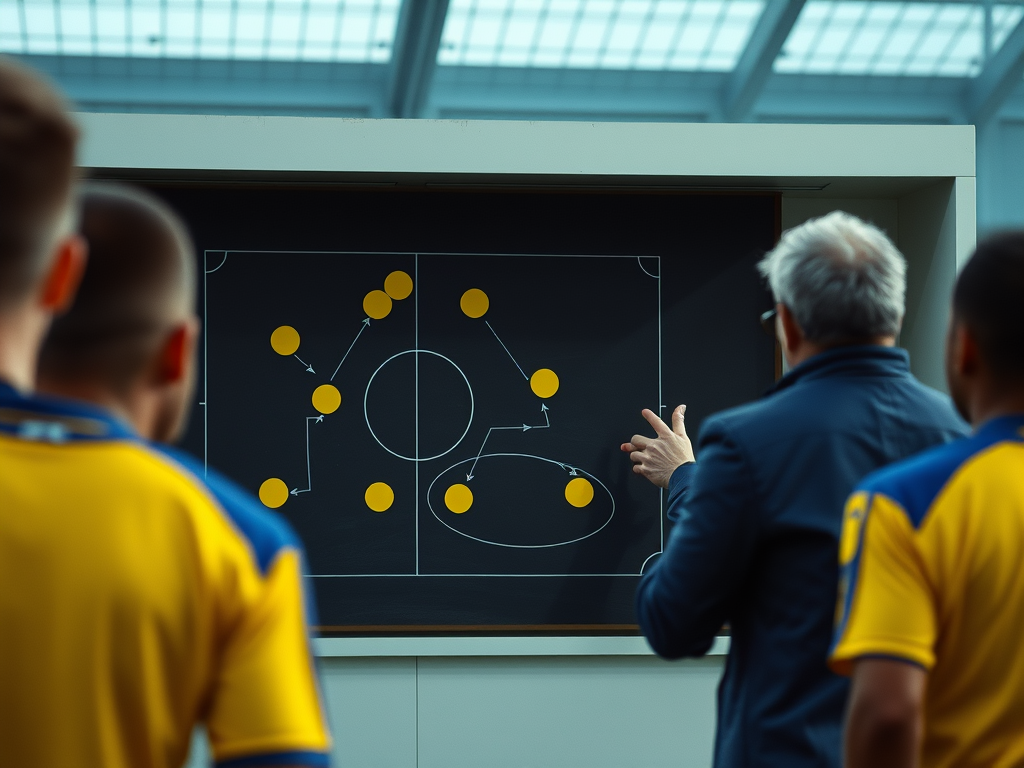
One critical area to address is the role of the number 10, who has been tasked with creative duties but has at times been too deep, limiting his ability to influence the game. By allowing this player to operate higher up the pitch, Braunschweig could increase their chances of breaking through opposition lines. Furthermore, instructing the wingers to cut inside more frequently could create space for overlapping full-backs, thus providing additional attacking options.
Defensive Considerations
While enhancing their attack is essential, defensive solidity must not be compromised. The back four, complemented by a disciplined double pivot, should maintain their current structure, but with a slight adjustment in pressing intensity. Encouraging the front players to press higher could disrupt opponents' build-up play, leading to more opportunities for turnovers in dangerous areas.
Conclusion
As Braunschweig looks to build momentum, the tactical tweaks suggested here could play a pivotal role in unlocking their potential. By shifting to a more dynamic formation and redefining player roles, Die Löwen can not only enhance their attacking prowess but also ensure a balanced approach that solidifies their defensive integrity. The next matches will be crucial in determining whether these adjustments can translate into improved performances and results on the pitch.