 Braunschweig Hub
Recent Form Analysis
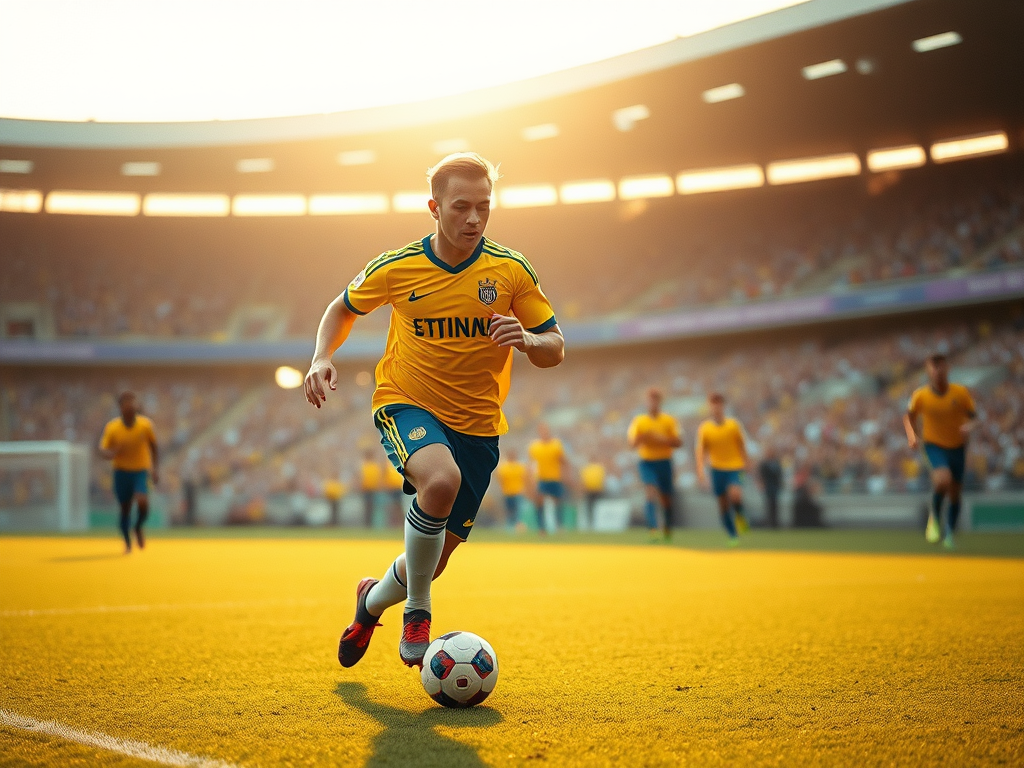
Eintracht Braunschweig, affectionately known as Die Löwen, has had a mixed bag of performances in the league recently. While there have been moments of brilliance, inconsistencies in both attack and defense have often hindered the team's ability to secure vital points. The squad's tactical setup has shown flashes of promise, particularly in their pressing game, but it has also exposed vulnerabilities that opponents have capitalized on.
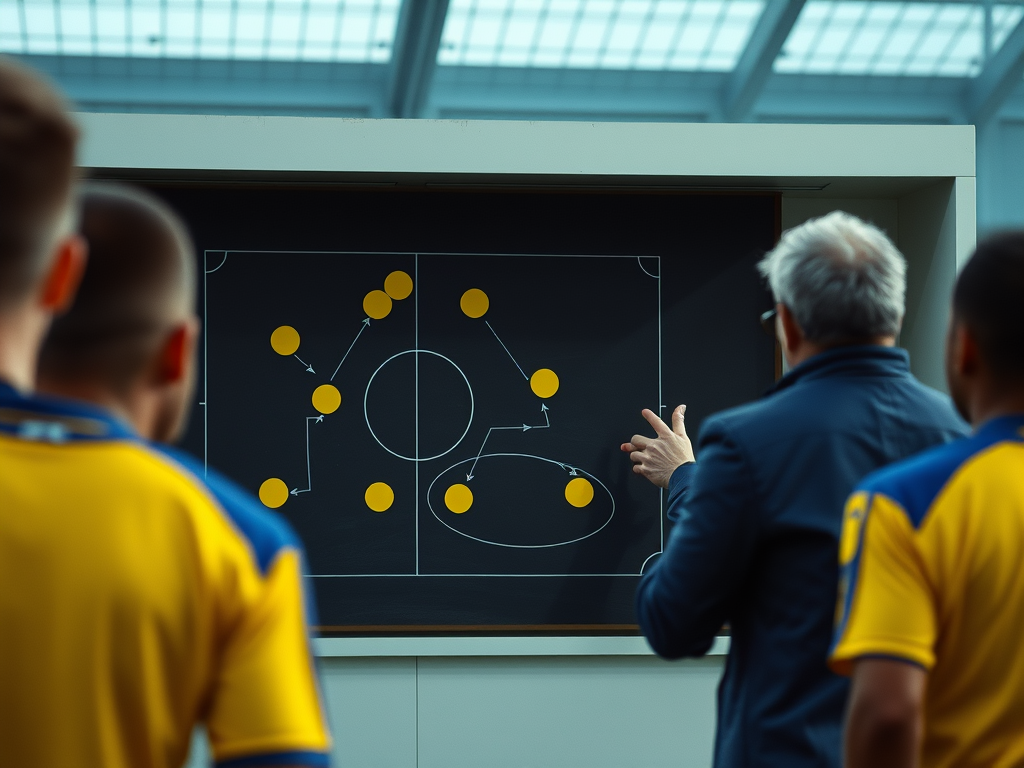
In the last few matches, Braunschweig has struggled with maintaining possession, often allowing the opposition to dictate the pace of play. This issue has been compounded by a lack of clear attacking patterns, leading to a reliance on individual brilliance rather than cohesive team play. To turn their fortunes around, a few tactical tweaks are in order.
Suggested Tactical Tweaks
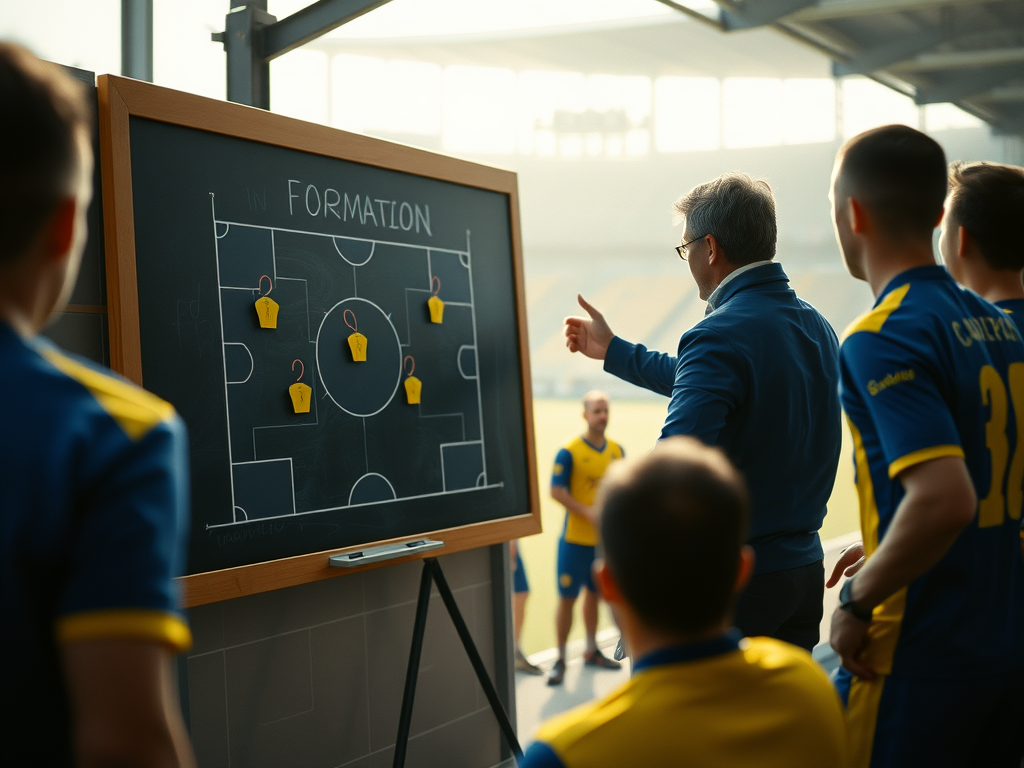
1. Revisiting the Formation A shift from the current 4-2-3-1 to a more flexible 4-3-3 formation could provide Braunschweig with greater stability in midfield. This adjustment would allow for an additional central midfielder, enhancing ball retention and enabling more dynamic transitions between defense and attack. With three central midfielders, Die Löwen can better control the game and support both the defensive line and forward players.
2. Encouraging Full-Back Overlaps The importance of full-backs in modern football cannot be overstated. Encouraging the full-backs to push higher up the pitch and overlap with wingers will create space and options in the attacking third. This tactic not only stretches the opponent's defense but can also provide critical width, allowing the wingers to cut inside or utilize the space created by their advancing full-backs.
3. Utilizing a Target Man Introducing a target man in the attacking formation could provide a focal point for long balls and crosses. This would allow Braunschweig to play a more direct style when needed, especially against teams that defend deep. A player who can hold up the ball or flick it on to onrushing midfielders would be invaluable, providing a different dimension to their attack and alleviating pressure on the backline.
4. Pressing Strategy Braunschweig’s pressing has been effective at times but often lacks coordination. Implementing a more structured pressing system could enhance their ability to win back possession quickly. Players should be trained to press in units, ensuring that when one player engages an opponent, others are ready to support and cut off passing lanes. This collective pressing could lead to more turnovers and create scoring opportunities from defensive errors.
5. Fluid Player Roles Encouraging fluidity in player roles—particularly among attacking midfielders and forwards—can create confusion for opposing defenses. By allowing players to interchange positions frequently, Braunschweig can exploit mismatches and create openings in the opposition’s defensive setup. This tactical flexibility could also maintain surprise elements, making it harder for opponents to predict their attacking movements.
Conclusion
As Die Löwen look to improve their standing in the league, incorporating these tactical adjustments could be pivotal. A combination of revising formations, enhancing full-back contributions, introducing a target man, refining pressing strategies, and encouraging fluid player roles could help Braunschweig become a more cohesive and effective unit on the pitch. The upcoming matches present an opportunity for tactical evolution, and if the team can implement these changes, the rewards could be substantial.