 Braunschweig Hub
The Golden Era: Braunschweig's 1960s Transformation
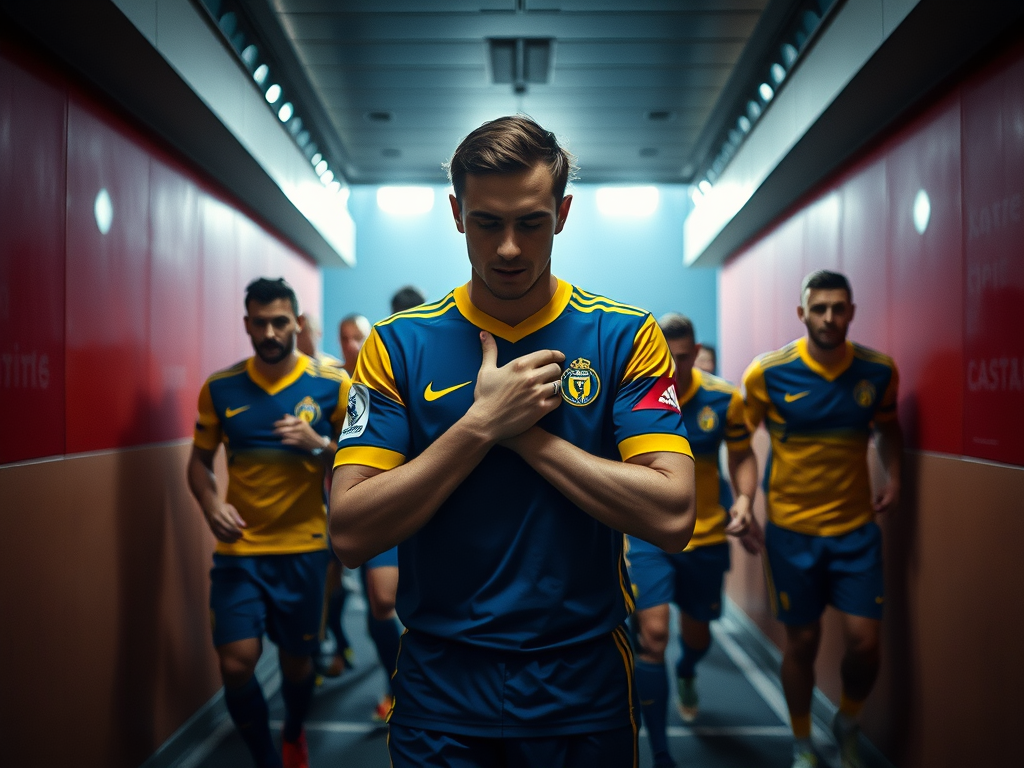
The 1960s marked a pivotal decade in the history of Eintracht Braunschweig, a time when the club not only solidified its presence in the upper echelons of German football but also transformed into a formidable force that would be remembered for generations. Under the management of the visionary coach Helmut Schöner, Braunschweig began to cultivate a squad that was both talented and resilient, setting the stage for a series of memorable achievements.
One of the most significant moments of this era came in 1967 when Eintracht Braunschweig clinched the Bundesliga title for the very first time. This championship victory was a landmark achievement, as it not only marked the culmination of years of hard work and dedication but also positioned Braunschweig as a prominent player in German football. The team showcased a blend of tactical discipline and flair, which became their trademark, and they earned the respect of fans and rivals alike.
The golden touch of Schöner was evident in his ability to harness the talent of his players, including the likes of Klaus Bär, who became a key figure in the squad. Bär’s exceptional performances in front of goal, coupled with the solid defensive structure implemented by Schöner, allowed Braunschweig to establish an impressive winning streak that would resonate throughout the league. This was a time when the club's identity was forged, and the bond between the players and the fans grew stronger than ever.
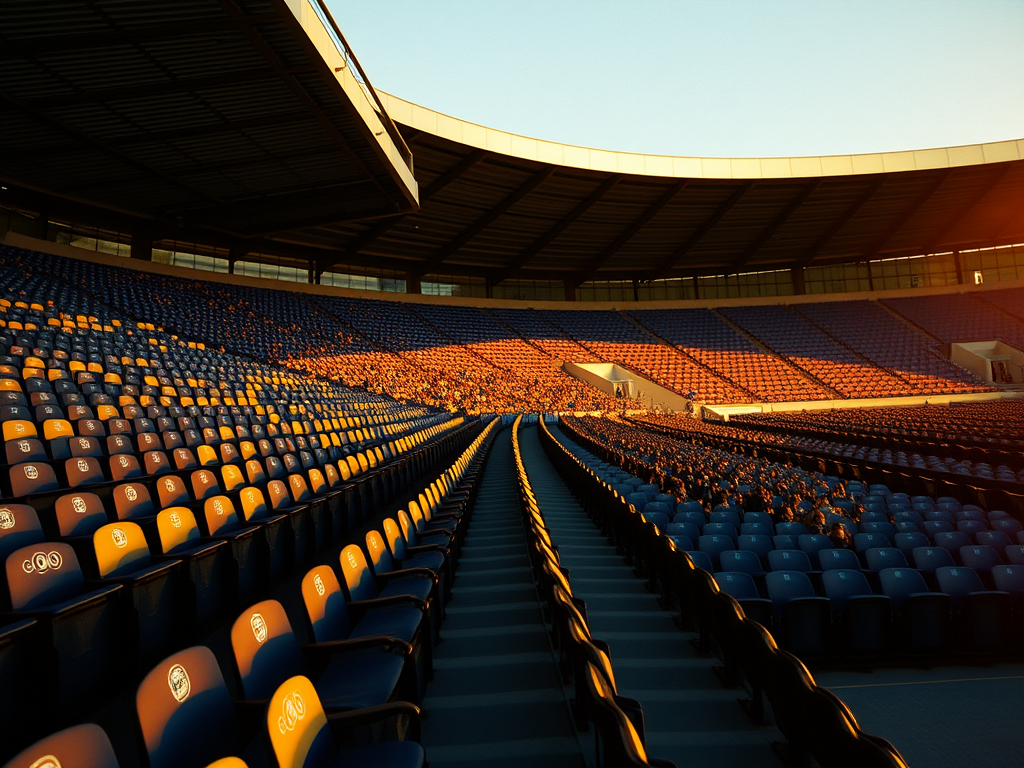
Off the pitch, the success on the field translated into increased support from the local community. The fans, known as Die Löwen, rallied behind their team with unparalleled passion, filling the Stadion an der Hamburger Straße and creating an electric atmosphere that became synonymous with Braunschweig home games. This unwavering support not only boosted the players' morale but also established a sense of pride within the community, firmly embedding the club into the cultural fabric of Braunschweig.
Moreover, the 1960s also witnessed Braunschweig's foray into European competitions. Their participation in the European Cup and the UEFA Cup showcased their growing reputation on an international stage. While they faced tough opponents, the experience gained during these matches only served to enhance their tactical acumen and broaden their horizons, allowing the club to dream bigger.
As the decade came to a close, Braunschweig’s triumphs in the 1960s laid the groundwork for future generations. The blend of tactical innovation, community support, and a relentless pursuit of excellence created a legacy that would inspire future players and fans alike. The club not only became a symbol of local pride but also a representation of resilience and ambition in the face of challenges.
In retrospect, the 1960s were not just about trophies; they were about creating a culture of success that would resonate through the ages. Eintracht Braunschweig's transformation during this period remains a defining chapter in their storied history, reminding us of the power of unity, ambition, and the beautiful game.