 Braunschweig Hub
Tactical Landscape of Eintracht Braunschweig
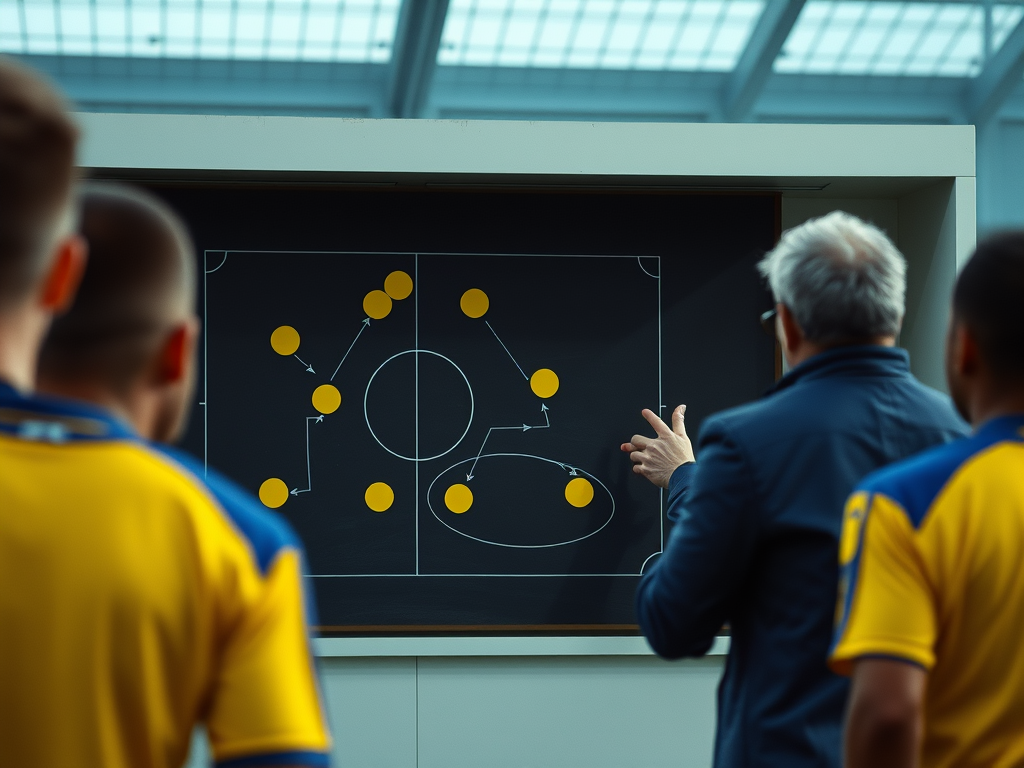
As Die Löwen continue their journey through the 2. Bundesliga, their recent performances have revealed both strengths and areas ripe for improvement. While the attacking flair has been commendable, the defensive setup has come under scrutiny, especially in high-pressure matches. A deep dive into the team's tactical framework indicates that a few tweaks could elevate Braunschweig's overall performance and help secure vital points.
Current Form and Defensive Structure
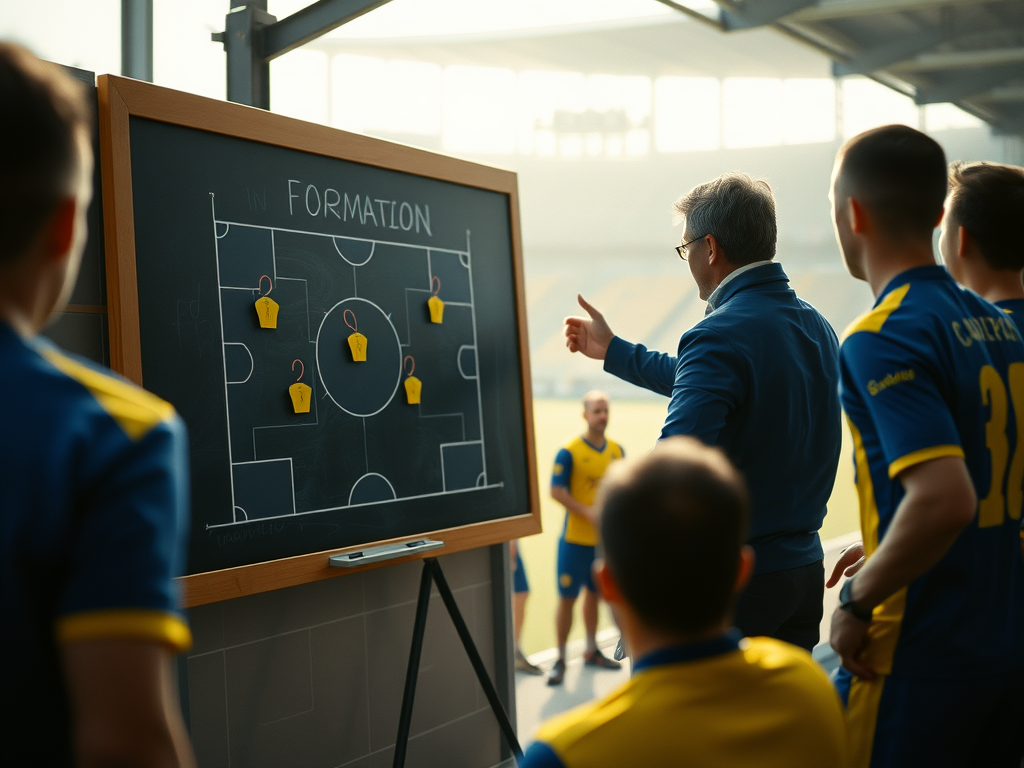
In their last few outings, Braunschweig has predominantly employed a 4-2-3-1 formation, which has allowed them to maintain possession and create goal-scoring opportunities. However, this setup has sometimes left them exposed in transition, particularly against teams with rapid counter-attacks. The reliance on the two central midfielders to shield the backline has resulted in gaps that opponents have exploited.
Moreover, the full-backs have been encouraged to push forward, contributing to the attack but often leaving the center-backs isolated during defensive phases. This has led to moments of vulnerability, especially when facing teams with pacey wingers.
Suggested Tweaks for Defensive Solidity
1. Transition to a 4-3-3 Formation: One of the most effective adjustments would be to transition to a 4-3-3 formation. By doing this, Braunschweig can add an extra midfielder, providing more numerical support in both defense and midfield. This would allow for better control when the ball is lost and minimize the gap between the lines, making it harder for opponents to penetrate.
2. Midfield Balance: In a 4-3-3, having a dedicated defensive midfielder who can screen the back four is essential. This role should be filled by a player who excels in intercepting passes and breaking up opposition plays. This would not only provide additional protection for the backline but also allow the attacking midfielders to focus on their offensive duties without worrying excessively about tracking back.
3. Full-Back Discipline: While attacking full-backs are vital for modern football, they must maintain positional discipline. Encouraging full-backs to stay back during counter-attacks can shore up the defense. When the team loses possession, they should prioritize getting back into position rather than pushing forward, ensuring that the team maintains shape.
4. Communication and Leadership: Defensive organization is heavily reliant on communication. Assigning a vocal leader in the backline can help maintain structure during chaotic moments. This could be a center-back who is adept at organizing the players around him, ensuring that all defenders are aware of their responsibilities, especially during set-pieces.
The Path Forward
Implementing these tactical tweaks may require time to adjust, but the potential benefits are significant. By solidifying the defense, Braunschweig can not only minimize goals conceded but also build a stronger foundation for launching counter-attacks, utilizing their pacey forwards effectively.
As Die Löwen gear up for the next fixtures, the focus should be on marrying their attacking prowess with a robust defensive strategy. With the right adjustments, there’s no doubt that Braunschweig can continue to climb the league table and secure their place among the top teams in the division.
In conclusion, tactical evolution is a continuous process, and as Braunschweig looks to refine their approach, these suggestions could be the key to unlocking greater success in the upcoming months.